


What Is a Dental Dam? How to Use Them for Safer Oral Sex
Page Contents
The Ultimate Guide to Dental Dams: What They Are and Why You Should Use Them
If condoms are the celebrities of the safe-sex world, dental dams are the indie actors—critically acclaimed, vital to the production, but somehow still not getting the leading role.
Let’s be honest: the name sounds like something your dentist uses while filling a cavity. It’s a case of terrible branding for excellent functionality. However, this thin sheet is a powerhouse for safer, stress-free pleasure.
In this guide, we break down what a dental dam is, how to use one, and whether people actually use them (spoiler: not enough, but that’s changing).
What Is a Dental Dam?
A dental dam is a thin, flexible sheet—typically made of latex or polyurethane—used as a protective barrier during oral-vaginal (cunnilingus) or oral-anal (rimming) sex.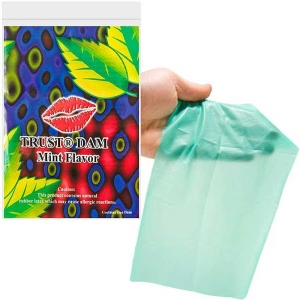
Think of it as a “condom for oral sex.” Its primary functions include:
-
Blocking fluid exchange: Minimizing contact with bodily fluids.
-
Reducing STI transmission: Acting as a physical wall against bacteria and viruses.
-
Skin-to-skin protection: Covering the vulva or anus to prevent direct contact.
Do People Actually Use Dental Dams?
The short answer is: Yes, but not nearly enough. Usage stats for dental dams often mirror habits like flossing—everyone knows it’s the healthy choice, but the actual execution is inconsistent. Why the gap?
-
Lack of Awareness: Many people simply don’t know they exist.
-
Perceived Risk: There is a common (and false) myth that oral sex is “risk-free.”
-
The “Mood-Killer” Myth: Some fear that introducing a barrier will ruin the spontaneity.
The Truth: Peace of mind is an aphrodisiac. Nothing ruins the vibe faster than “post-fun” health anxiety.
Why Dental Dams Matter: Oral Sex and STIs
It is a medical misconception that oral sex is safe sex. Several Sexually Transmitted Infections (STIs) can be transmitted via the mouth and throat, including:
-
Herpes (HSV-1 and HSV-2)
-
Human Papillomavirus (HPV)
-
Gonorrhea and Syphilis
-
Hepatitis B
A dental dam creates a reliable barrier, allowing you to enjoy intimacy while significantly lowering your risk profile.
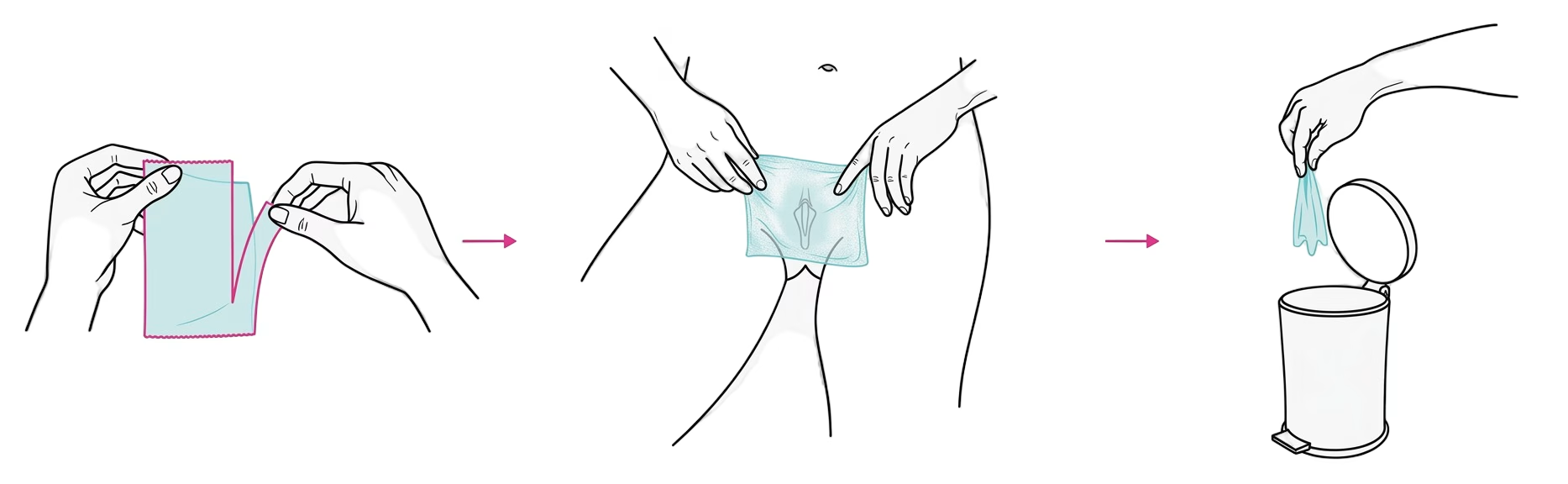
How to Use a Dental Dam: A Step-by-Step Guide
Using a dam is straightforward, but technique matters for maximum safety.
-
Check the Expiry: Like condoms, dams can degrade over time.
-
Open Carefully: Use your hands, not your teeth, to avoid small tears.
-
Lay it Flat: Place the sheet over the vulva or anus before any oral contact begins.
-
Stay One-Sided: Never flip the dam over during use. If you flip it, you are transferring the fluids you were trying to block.
-
Dispose Properly: Use it once, then throw it away.
Pro Tip: Apply a drop of water-based lubricant to the side facing the skin. This increases sensitivity and ensures the barrier doesn’t cause friction.
Frequently Asked Questions (FAQs)
Are dental dams actually effective?
Yes. When used consistently and correctly, they are the most effective way to prevent STI transmission during oral sex.
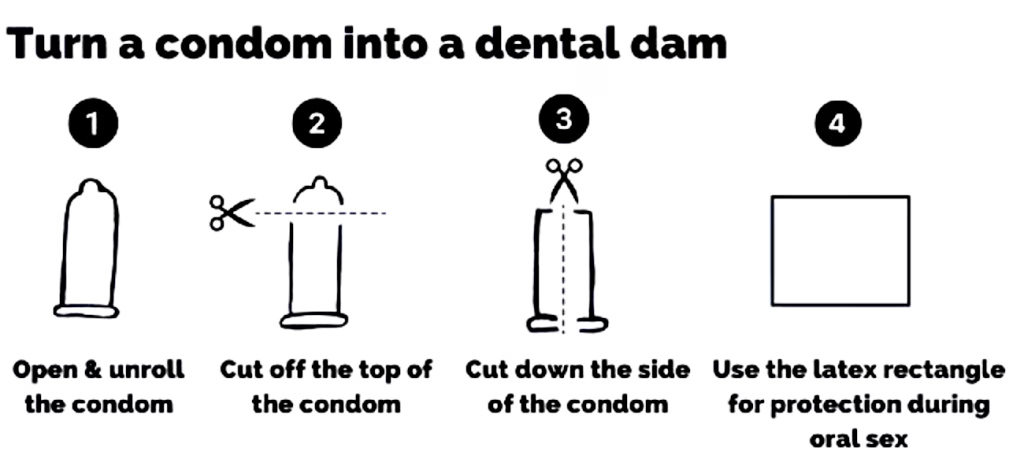
Can I make a DIY dental dam?
In a pinch, yes! You can cut the tip and the ring off a non-lubricated condom, then cut it down the side to create a flat rectangular latex sheet.
Do they reduce pleasure?
Not necessarily. Many users find that flavored dental dams (like strawberry or mint) enhance the experience, and using lube underneath maintains high levels of sensation.
Where can I buy them?
You can find them at local pharmacies, sexual health clinics, or specialized online retailers.
Safety Is the New Sexy
So, what is a dental dam? It’s a simple, effective tool for confident intimacy. While they might not have the “fame” of condoms yet, using one shows a level of maturity and care that is undeniably attractive.
If you’re ready to explore smarter, safer, and more empowered pleasure, you’ll find more guides and honest conversations at Erotic Africa.
 870
870 FR
FR