

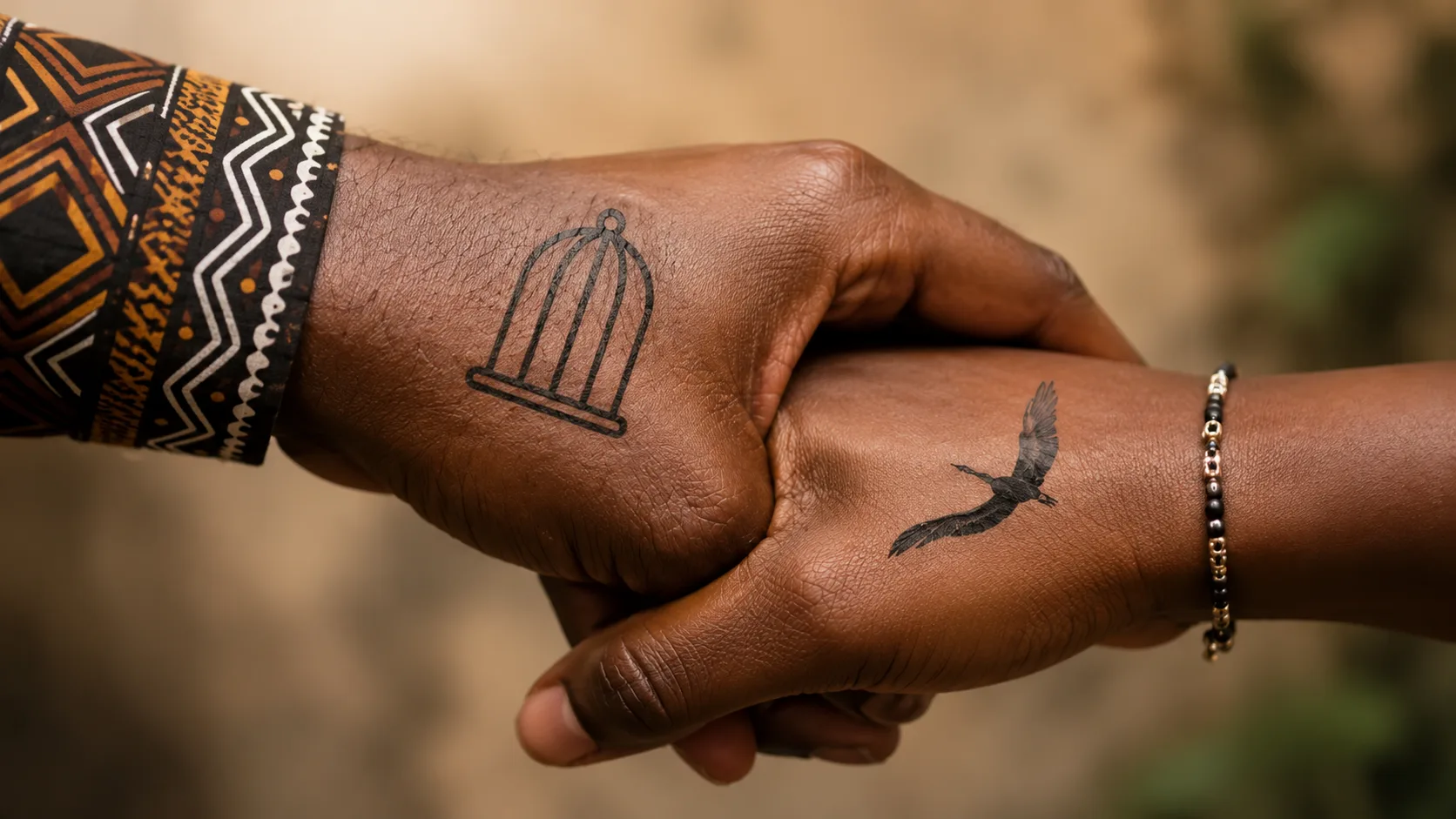
The Stages of Codependency Addiction in Relationships
Page Contents
The Stages of Codependency Addiction in a Relationship
Relationships should feel like a safe harbor.
A place where you can dock your heart, rest your emotions, and not feel like you need a full-time emotional life jacket.
But when codependency enters the chat, that safe harbor can turn into a leaking boat. Suddenly, one person is rowing, fixing the engine, checking the weather, packing snacks, and apologizing to the waves.
That is codependency.
Codependency is not simply “caring too much.” It is what happens when love starts depending on approval, validation, rescue missions, and the constant need to be needed.
It works like an addiction because the emotional reward comes from another person’s reaction. Their smile becomes your high. Their silence becomes your withdrawal. Their problems become your full-time job, unpaid of course, because love apparently has no HR department.
In a codependent relationship, one person often gives too much while the other receives too much. One becomes the fixer, caretaker, rescuer, emotional manager, motivational speaker, crisis hotline, and part-time therapist.
The problem?
Love should not require a job description.
Below are the main stages of codependency addiction in a relationship, from the early emotional high to the breakdown and recovery.
Stage 1: The Fixer’s High
Codependency often starts with a rush.
You meet someone who feels intense, wounded, misunderstood, mysterious, or “different.” They may open up quickly. They may make you feel trusted, special, and needed.
And before you know it, you are not just dating them. You are mentally building a rehabilitation center with your name on the door.
You are not only attracted to who they are. You are attracted to their potential.
You think:
“They just need someone patient.”
“I can help them heal.”
“No one understands them like I do.”
“They have been through a lot.”
“I see the good in them.”
And there it is.
The hook.
You become the caretaker, protector, therapist, emotional nurse, and spiritual mechanic. You start fixing things you did not break. You start carrying emotions that do not belong to you.
At first, it feels romantic.
It feels deep.
It feels meaningful.
But sometimes what feels like deep love is just emotional Wi-Fi with no password. Everyone is connected, but no one knows who is paying the bill.

Stage 2: The Need to Be Needed
After the first emotional rush, helping starts to feel like purpose.
Your partner needs you, and that makes you feel valuable. Their problems give you a role. Their dependence gives you emotional importance.
You feel useful when they call.
You feel special when they open up.
You feel secure when they cannot seem to function without you.
This is where healthy support slowly turns into emotional dependency.
You stop asking, “Is this relationship good for me?”
You start asking, “What else can I do for them?”
Their sadness becomes your assignment.
Their anger becomes your fault.
Their crisis becomes your emergency.
Their happiness becomes your report card.
When they are happy, you relax.
When they are distant, you panic.
When they are upset, you start investigating like a detective in a low-budget emotional crime series.
At this stage, you begin confusing being needed with being loved.
And that is where the heart starts signing contracts the brain did not approve.
Stage 3: The Compromise and the Fade
As the relationship continues, your identity starts fading into the background.
You begin adjusting yourself to keep the peace. You avoid difficult topics. You hide your feelings. You cancel your plans. You stop doing things you once enjoyed.
Your hobbies disappear.
Your friendships shrink.
Your standards become “flexible.”
Your boundaries become soft like overcooked pasta.
At first, each compromise seems small.
One ignored red flag.
One forgiven insult.
One canceled plan.
One more “they did not mean it.”
One more “they are just stressed.”
But over time, these little compromises become a full lifestyle.
You start walking on eggshells. You study their moods. You monitor their tone. You learn what triggers them. You try to prevent conflict before it happens.
Their emotional weather becomes your daily forecast.
If they are cold, you freeze.
If they are stormy, you panic.
If they are distant, you start checking your phone like it owes you money.
This is where anxiety becomes your relationship roommate. It does not pay rent, but it is always there.
Stage 4: Control Disguised as Care
Codependency is not only about giving too much. It also creates control.
Not always loud control. Not always obvious control.
Sometimes it wears a cute little outfit called “I am just trying to help.”
You check on them too much.
You remind them what to do.
You manage their moods.
You monitor their habits.
You try to prevent their mistakes.
You feel responsible for their healing, discipline, happiness, and common sense.
You may tell yourself, “I only care.”
And maybe you do.
But beneath that care lies fear.
Fear of being abandoned.
Fear of being rejected.
Fear of being replaced.
Fear of losing the role that makes you feel important.
So you start managing them as if love were a group project and they’d forgotten the deadline.
But here is the thing.
You can love someone without becoming their emotional remote control.
You can support someone without trying to press every button in their life.
Real care gives room. Codependent care slowly becomes management.
And nobody falls in love thinking, “Wow, I hope someone supervises my entire nervous system.”
Stage 5: Obsession and Tolerance
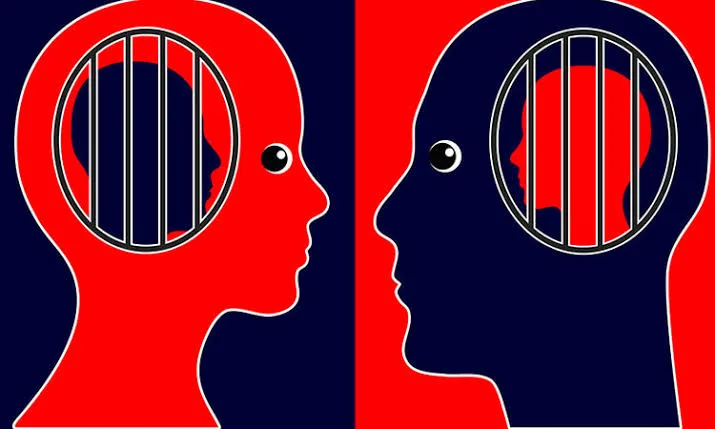
In the late stage of codependency addiction, the relationship becomes an obsession.
You think about them constantly. You analyze their texts. You replay conversations. You decode their emojis. You guess their mood from punctuation.
A full stop suddenly feels like emotional violence.
“Okay.” becomes a court case.
“K.” becomes a national emergency.
Your nervous system is no longer relaxing. It is doing night shift.
Like other addictive cycles, codependency can create tolerance. The same amount of attention, reassurance, drama, or sacrifice no longer feels enough. You need more closeness, more control, more crisis, or more proof to feel secure.
The relationship becomes the center of your life.
You spend more energy managing the connection than living your own life.
You might ignore your sleep, work, friendships, health, and personal goals because your mind is locked on the relationship.
You are not at peace when they are around.
You are not at peace when they are away.
The relationship becomes both the headache and the painkiller.
That is the addictive loop.
And yes, the side effects include overthinking, emotional exhaustion, and suddenly becoming a professional screenshot analyst.
Stage 6: Denial and Defense
By this point, the unhealthy pattern may be clear to everyone except you.
Your friends can see it.
Your family can see it.
Even your phone battery can see it because it is tired from all the long paragraphs.
People may tell you:
“You look unhappy.”
“This relationship seems one-sided.”
“You keep giving, but what are you receiving?”
“You are losing yourself.”
But instead of facing the truth, you defend the relationship.
You say:
“They are trying.”
“They had a hard past.”
“You do not understand them.”
“No one knows them like I do.”
“Things will get better.”
“I know who they really are.”
This stage is powered by denial.
You focus on potential instead of patterns. You hold on to who they could become, not how they are treating you now.
You may even isolate yourself from people who challenge the relationship. Their concern feels like judgment. Their honesty feels like betrayal.
So you protect the relationship, even when the relationship is dragging you like bad Wi-Fi during an important meeting.
You believe that if you love harder, give more, stay longer, explain better, cook better, text better, breathe better, and become a certified emotional magician, everything will finally work.
But codependency survives on that hope.
Stage 7: Resentment and Emotional Exhaustion
No one gives endlessly without feeling the cost.
At this stage, resentment begins to build.
You feel tired of carrying everything.
You feel angry that your sacrifices go unnoticed.
You feel hurt that your needs are still not met.
You feel used, but you still struggle to stop giving.
This creates a painful inner conflict.
Part of you wants to leave.
Part of you feels guilty for wanting to leave.
Part of you wants boundaries.
Part of you fears boundaries will push them away.
Part of you knows the relationship is unhealthy.
Part of you still believes you can fix it.
You are exhausted by staying, but terrified of leaving.
The relationship becomes emotionally expensive. You keep paying with your peace, confidence, time, health, and identity.
And the worst part?
There is no loyalty card.
No “give ten sacrifices, get one healthy conversation free.”
Just more emotional overdraft.
Stage 8: The Severe Breakdown
Eventually, the system collapses.
You cannot carry the emotional weight of two people forever. Even strong backs need rest. Even strong hearts need oxygen.
The breakdown may come through betrayal, repeated disrespect, emotional neglect, manipulation, abandonment, or one final argument that makes everything painfully clear.
Sometimes the breakdown is quieter.
You wake up one day and realize you do not recognize yourself anymore.
You have lost your confidence.
You have lost your voice.
You have lost your hobbies.
You have lost your standards.
You have lost your emotional center.
This is emotional bankruptcy.
You gave too much. You bent too far. You waited too long. You hoped too hard.
And despite all your sacrifices, your partner may still be unhappy, still struggling, still distant, or still ungrateful.
That truth hurts.
But it also breaks the illusion.
You start asking:
“Who am I outside this relationship?”
“What has this cost me?”
“Why do I need to be needed?”
“Is this love, or am I addicted to saving them?”
“Am I choosing this person, or am I afraid of losing my role?”
The breakdown is painful, but it can also become the moment you finally stop auditioning for a relationship that has already cast you as the unpaid emotional support character.
Stage 9: Withdrawal
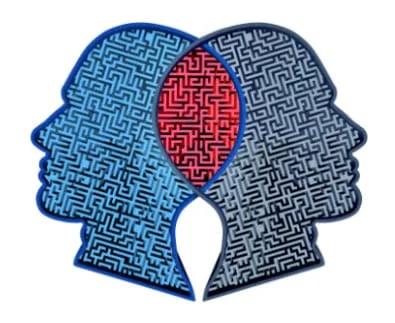
Leaving or emotionally detaching from a codependent relationship can feel like withdrawal.
Even when the relationship was unhealthy, the attachment was strong. You were bonded to the routine, the hope, the chaos, the emotional highs, and the role of being needed.
You may miss them deeply.
You may want to check on them.
You may feel guilty for choosing yourself.
You may feel empty without their problems to solve.
You may romanticize the good moments.
You may forget the pain when loneliness hits.
You may doubt your decision.
This is why many people return to the same cycle.
Not because the relationship became healthy, but because the discomfort of detachment feels too hard.
Your brain starts acting like a toxic relationship DJ, replaying only the sweet parts and skipping every track titled “Remember How Miserable You Were?”
Recovery requires sitting with that discomfort without running back to the pattern that broke you.
You have to learn that peace may feel unfamiliar at first.
You have to learn that guilt is not always a sign you did something wrong.
You have to learn that missing someone does not mean they were good for you.
Sometimes you are not missing the person. You are missing the version of them you kept editing in your head.
Stage 10: Boundary Rebuilding
Recovery begins when the focus shifts from “How do I fix them?” to “How do I heal me?”
This stage is about rebuilding boundaries, identity, and self-worth.
You learn to say no without writing a full apology essay.
You stop rescuing people from the consequences of their own choices.
You stop treating guilt as a command.
You stop confusing anxiety with love.
You stop calling emotional chaos passion.
You stop measuring your value by how much someone needs you.
You begin asking better questions:
“What do I need?”
“What do I feel?”
“What do I want?”
“What behavior is not acceptable to me?”
“What is mine to carry, and what belongs to them?”
“What would I choose if I was not afraid of being abandoned?”
Boundary rebuilding feels uncomfortable at first because codependency trains you to feel selfish for choosing yourself.
But choosing yourself is not selfish.
It is necessary.
You are allowed to have standards.
You are allowed to rest.
You are allowed to let adults face adult consequences.
You are allowed to retire from emotional firefighting.
No farewell party needed.
Stage 11: Healthy Interdependence
The goal of recovery is not to become cold, distant, or emotionally unavailable.
The goal is healthy interdependence.
Healthy love still includes care, support, patience, sacrifice, and emotional closeness. The difference is balance.
You support your partner, but you do not become their full-time emotional caretaker.
You love them, but you do not lose yourself.
You listen, but you do not absorb every problem as your own.
You give, but you also receive.
You stay connected, but you remain whole.
In a healthy relationship, both people take responsibility. Both people respect boundaries. Both people have a voice. Both people matter.
That is the opposite of codependency.
It is love without emotional babysitting.
It is support without self-erasure.
It is connection without needing to become someone’s personal rescue helicopter.
When Love Stops Needing a Rescue Mission
Codependency addiction in a relationship often begins with love, care, and emotional closeness. That is why it can be hard to recognize.
At first, it feels meaningful to be needed. It feels powerful to help. It feels romantic to sacrifice.
But when care turns into control, love turns into anxiety, and sacrifice turns into self-loss, the relationship becomes unhealthy.
The hardest truth is this:
Being needed is not the same as being loved.
Real love does not require you to disappear.
Real love does not ask you to carry another adult’s emotional world like luggage at the airport.
Real love gives room for care, honesty, boundaries, freedom, and self-respect.
Healing starts when you stop asking how to keep someone at any cost and start asking how to come back to yourself.
For more bold relationship conversations, adult lifestyle topics, and honest takes on modern intimacy, visit Erotic Africa.
 147
147 FR
FR