

Senegal Passes Tough Anti-LGBT Law – Prison Sentences Could Now Reach 10 Years
Page Contents
Senegal Passes Tougher Anti-LGBT Law, Increasing Prison Sentences
Senegal’s parliament has approved new legislation that significantly strengthens the country’s already strict laws against same-sex relations, marking one of the most severe legal measures targeting LGBTQ activities in West Africa.
The bill, passed by an overwhelming majority in the National Assembly, increases penalties for same-sex sexual acts and expands criminal liability to include individuals accused of promoting or financing LGBTQ-related activities. The vote recorded 135 lawmakers in favour, none opposed, and three abstentions, effectively clearing the final legislative hurdle.
Jail Terms Doubled Under New Law
Under the revised law, the maximum prison sentence for same-sex relations has been doubled from five years to up to ten years, alongside significantly higher financial penalties. Fines can now reach 10 million CFA francs (about $17,700) for those convicted under the updated provisions.
The legislation also states that judges cannot issue suspended sentences or reduce punishments below the legally defined minimum penalties.
Authorities say the change replaces an older provision dating back to 1966, which criminalised what the law described as “acts against nature.” The government argued that the previous language was vague and did not clearly define offences.
Wider Scope of Criminalisation
The new law goes beyond regulating sexual acts. It also criminalises actions such as:
- Promoting LGBTQ identities or relationships
- Funding organisations or activities linked to LGBTQ causes
- Supporting advocacy related to homosexuality or gender identity
Lawmakers supporting the bill claim the measures are necessary to reflect Senegalese cultural values and address what they describe as growing social pressures related to LGBTQ activism.
Political Background
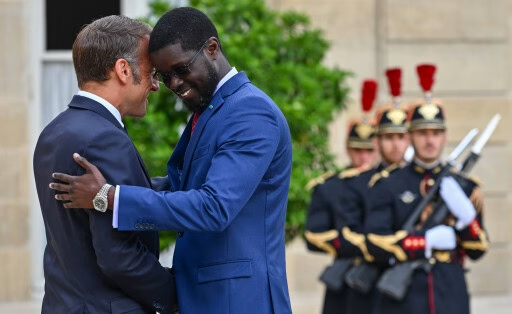
The legislation fulfills a campaign promise made by the current government led by President Bassirou Diomaye Faye and Prime Minister Ousmane Sonko, whose political movement has previously called for stronger enforcement of moral and cultural laws.
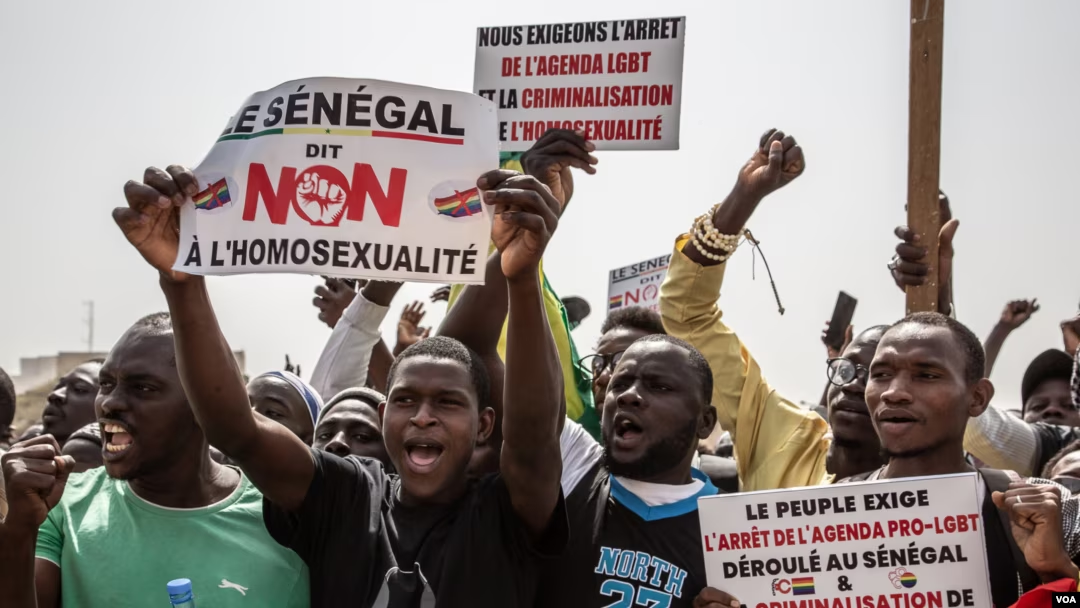
In the weeks leading up to the parliamentary vote, several demonstrations were held in the capital, Dakar, where groups expressed opposition to homosexuality and demanded tougher legal protections for what they described as Senegalese social norms.
Rising Arrests and Regional Debate
The debate around LGBTQ rights in Senegal has intensified in recent months. Authorities recently detained multiple individuals under existing laws related to “acts against nature,” which already criminalised same-sex relations prior to the new legislation.
Human rights organisations have warned that harsher penalties could increase discrimination and violence against LGBTQ individuals. Activists also fear the law may discourage vulnerable communities from seeking healthcare or support services due to fear of arrest.
The move in Senegal also mirrors a broader trend across parts of Africa where several governments are reviewing or tightening legislation related to LGBTQ issues. Countries such as Burkina Faso and Ghana have also debated similar laws in recent years.
A Divisive Issue Across the Continent
Supporters of stricter laws argue they reflect cultural and religious values widely held across many African societies. Critics, however, say such legislation risks deepening social divisions and undermining human rights protections.
With the bill now passed, Senegal joins a growing number of countries where legal frameworks around sexuality continue to spark intense political and social debate.
 7738
7738
Chief Marketer
 FR
FR