

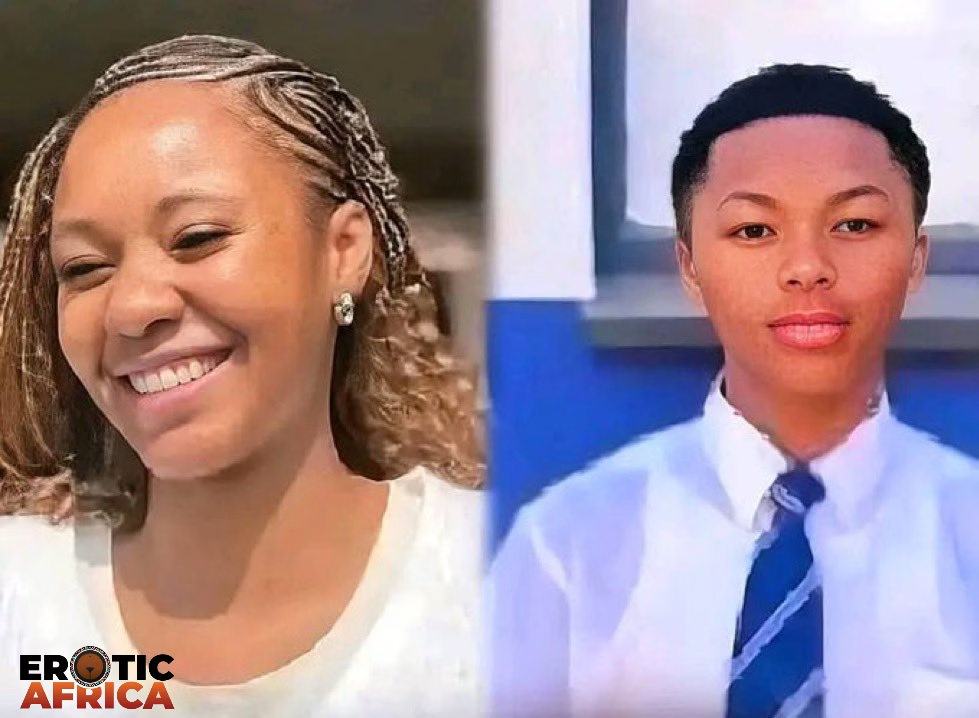
Maria Makedenge: US-Based WomanFaces Sexual Assault Charges Over 16-Year-Old Boy in Harare
Page Contents
Who Is Maria Makedenge? The Woman at the Centre of Zimbabwe’s Teen Assault Scandal
A name that has dominated Zimbabwean conversations, WhatsApp groups, Twitter Spaces, barbershop debates, and even church parking lots this week.
The 33-year-old Zimbabwean woman, now living in the United States, appeared in court after being accused of sexually assaulting a 16-year-old boy in Glen View, Harare. According to court reports, the teenager was in his bedroom when Maria allegedly followed him in, closed the door, and pressured him into a sexual act. Because he is a minor, the law is clear — a child cannot legally consent, regardless of what they understood, felt, or thought was happening.
How the story broke is equally unsettling.
The boy confided in his sister, who immediately told their mother. The mother wasted no time and reported the incident to the police. Prosecutors claim the teenager was threatened and allegedly promised a chance to travel to the United States if he stayed quiet — a detail that sent shockwaves through households nationwide.
Maria was arrested and brought before the Harare Magistrates’ Court.
She did not enter a plea.
She was granted US$100 bail.
She maintains her innocence, and the court has set a trial date.
But the courtroom is only one part of the story.
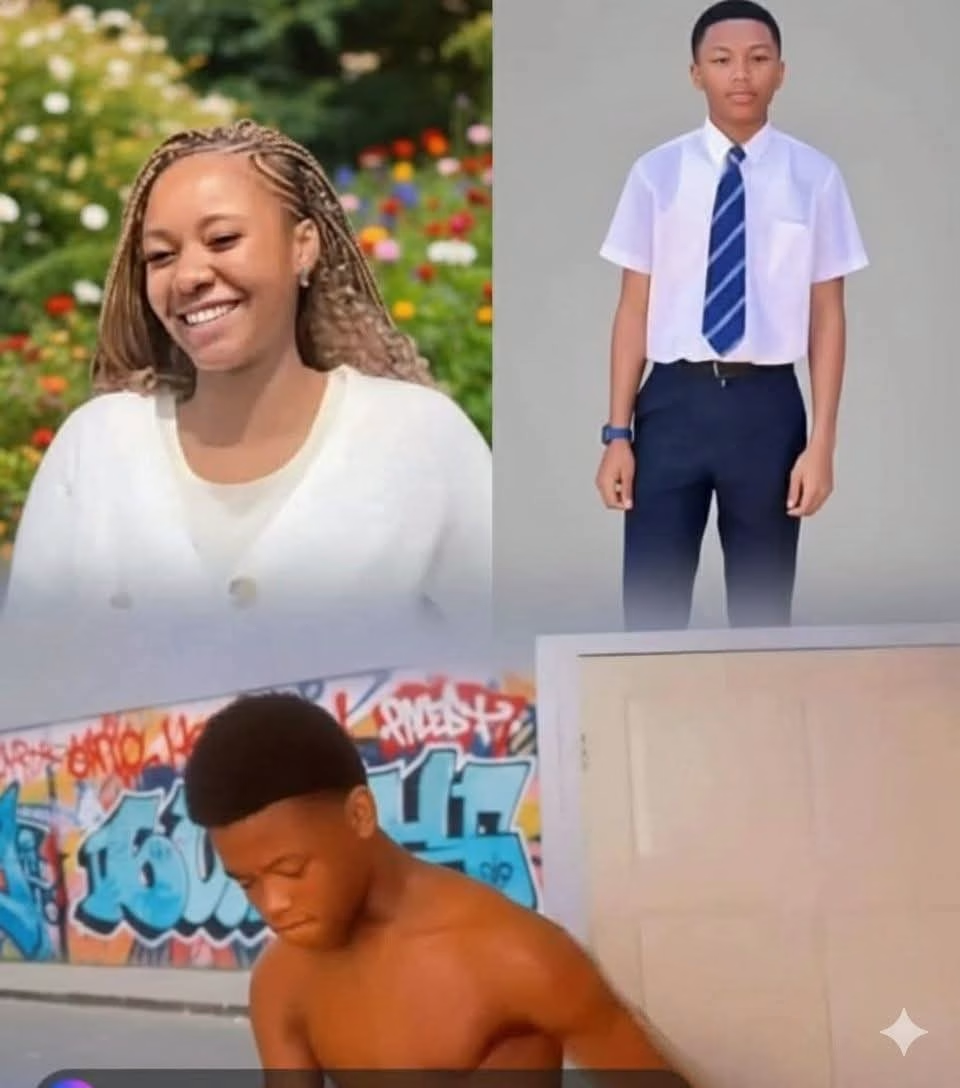
The bigger storm is happening outside — on social media and in households where Zimbabweans are debating everything from the age of consent (16), to power dynamics, to why society still struggles to view boys and men as legitimate victims of sexual assault.
A disturbing pattern emerged online:
While many expressed outrage and demanded justice for the teenager, others — mostly men — jokingly called the boy a “legend,” saying he had lived out fantasies many males grew up hearing about in locker-room whispers. Memes were shared, jokes were cracked, and the seriousness of the allegation was overshadowed by a culture that rarely takes male victimhood seriously.
Yet experts warn that boys can be victims too.
Minors deserve equal protection regardless of gender.
And any case involving a child should be handled with seriousness, empathy, and a commitment to justice — not the usual social media circus.
Still, the story has pushed Zimbabweans to confront uncomfortable truths:
- Are male victims taken seriously?
- Do communities recognise power dynamics when the older person is a woman and the minor is a boy?
- How do we build a culture where boys feel safe reporting sexual abuse without being mocked?
As the trial approaches, Maria continues to assert her innocence, and the courts have reminded the public that viral videos are not legal evidence, and that every accused person is entitled to a fair trial.
But the national conversation goes beyond Maria.
It goes beyond Glen View.
It goes beyond this one case.
It has become a debate about consent, gender, societal double standards, and how we treat vulnerable children — whether boys or girls.
And here’s the question Zimbabweans are already whispering:
If the roles were reversed — a 33-year-old man and a 16-year-old girl — would anyone be calling the child a “legend,” or would the entire nation be in flames?
 59633
59633
Chief Marketer
Continue Reading:
 Warning Signs of Sexual Abuse in Marriage
 Trauma Bonding: The Complex Relationship Between Abusers and Victims
 Stealthing: Africa’s Most Ignored Sexual Crime
 Enhancing Sexual Satisfaction Through Effective Communication
 22 Ways Men Can Make Their Orgasms Even Better
 Zimbabwean President, Emmerson Mnangagwa, accused of raping form 3 pupil Susan Mutami, police open probe
 FR
FR