


The Polygamist: The Show Everyone Can’t Stop Watching
Page Contents
The Polygamist Is Not About Love — It Is About Ego, Money and Everyone’s Hypocrisy
Netflix’s new 22-episode supernovela, The Polygamist, has officially entered the chat — and it did not come quietly.
Based on Sue Nyathi’s bestselling novel, the series throws viewers into the chaotic world of Jonasi Gomora, a billionaire CEO whose polished empire starts cracking the moment his complicated love life refuses to stay hidden.
On the surface, it looks like a dramatic story about a rich man, a loyal wife, secret lovers, power, betrayal, and family reputation. But that is not why people are arguing online.
The real reason The Polygamist is trending is that it exposes something much uglier: the hypocrisy of both modern men and modern women.
Men are being exposed.
Women are being exposed.
Side chicks are being exposed.
Wives are being exposed.
Even the viewers acting morally superior online are being exposed.
Because let’s be honest — some people are judging Jonasi with one phone while deleting suspicious chats with the other.
Jonasi Gomora: A Rich Man with Poor Emotional Management
Jonasi is the kind of man who makes other men start quoting “African tradition” when what they really mean is, “I want options without consequences.”
He has money, power, influence, and a respected family name. But instead of using all that privilege to build peace, he builds a relationship traffic jam and expects every woman involved to behave like a well-trained employee.

That is where the comedy begins.
Some men look at Jonasi and see a king. They see the dream: a glamorous wife at home, another woman somewhere else, a girlfriend in the background, and a mistress waiting for her own promotion.
But The Polygamist is smart because it does not present Jonasi as a powerful traditional patriarch. It presents him as a man slowly drowning in his own lies.
He is not managing women. He is managing panic.
Every phone call looks dangerous. Every conversation feels like a trap. Every woman in his life is a potential scandal waiting to explode.
That is not masculinity. That is stress with a luxury watch.
The truth is simple: many men who claim they want polygamy can barely handle one honest relationship. They want the crown, but not the weight. They want multiple women, but not multiple emotional responsibilities. They want respect, loyalty and silence — but they do not want accountability.
Jonasi did not build a legacy. He built a circus.
The Big Lie Men Tell Themselves About Polygamy
Let’s say the quiet part loudly.
A lot of men are not defending polygamy. They are defending cheating with cultural decoration.
Real polygamy requires honesty, structure, consent, financial discipline, emotional maturity, and fairness. It is not just about one man collecting women like trophies. It is about managing real people with real feelings, real expectations, and real power.
But Jonasi’s version is different.
He wants the benefits of every woman while controlling what each woman knows. He wants loyalty from everyone while offering truth to no one. He wants to be admired as a family man while behaving like a man hiding from his own calendar.
That is not tradition.
That is emotional corruption.
And that is why the show hits a nerve.
Because many viewers know a Jonasi. That uncle with too many “business trips.” That married man who says he is “separated” but still eats dinner at home. That man whose phone is always facing down. That man who uses silence, money, and charm to keep different women trapped in different versions of the same lie.
Joyce Gomora: Victim, Matriarch, or Woman Who Stayed Too Long?
Now let’s talk about Joyce.
Joyce is the internet’s current favorite victim — the dignified first wife, the woman who held the home together, protected the family name and stood beside Jonasi while he built his empire.
And yes, she deserves sympathy.
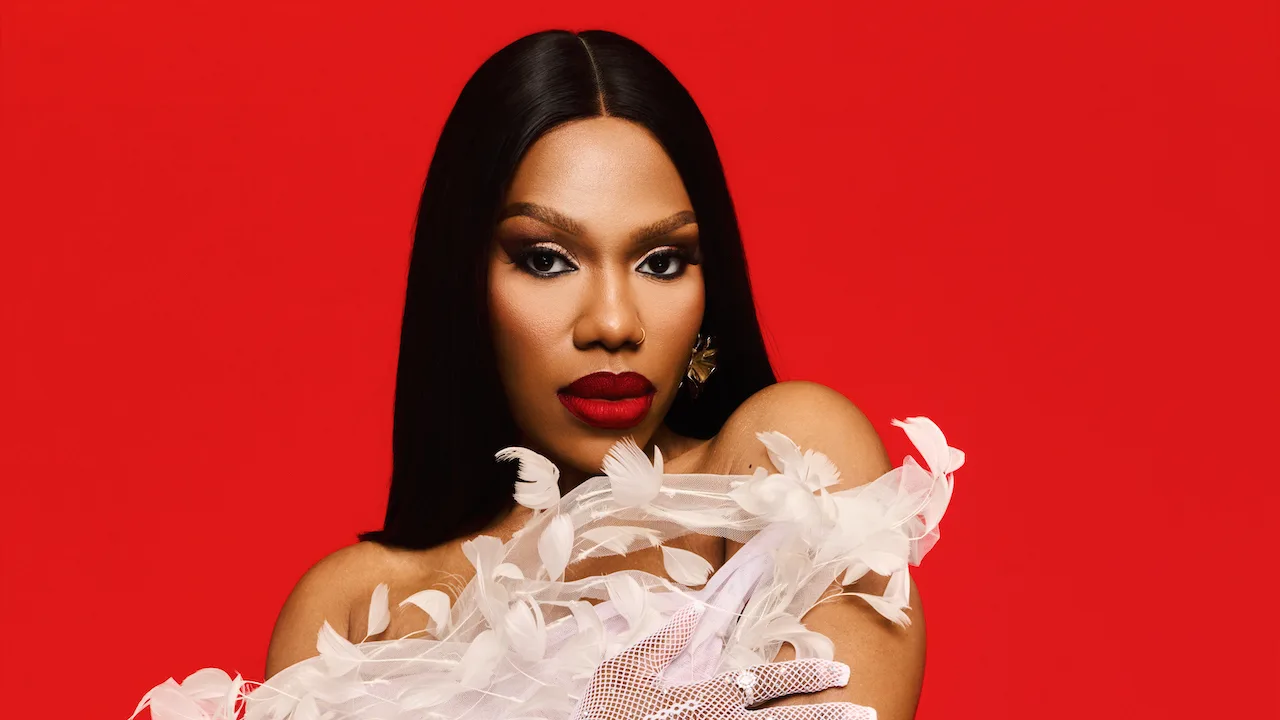
But The Polygamist is not kind enough to let Joyce remain just a victim. The show forces us to ask an uncomfortable question:
At what point does loyalty become self-betrayal?
Joyce represents a painful reality many women understand but hate admitting. Sometimes a woman stays not only because of love, but because of lifestyle, status, children, reputation, history, and fear of starting over.
The mansion becomes a cage with soft furniture.
The surname becomes a prison with social respect.
The title “Mrs. Gomora” becomes both a crown and a punishment.
That is why Joyce is such a powerful character. She is not weak, but she is not completely free either. She has power in public, but pain in private. She has respect in society, but humiliation in her own marriage.
And that is where many women will feel attacked.
Because Joyce exposes the fear of investing your youth, beauty, energy and loyalty into a man, only for him to start outsourcing affection elsewhere.
Women Also Need to Be Honest About Status
Before women clap too loudly at Jonasi’s downfall, the show also throws a stone back.
Some women say they hate polygamy, but only when the man is broke.
When the man has money, houses, cars, a soft life, school fees, business connections, and public respect, suddenly the moral debate becomes very flexible.
Now it is no longer “I would never.”
It becomes “It depends.”
It becomes “Every relationship is different.”
It becomes “As long as there is understanding.”
Let’s not lie in public.
The Polygamist works because it exposes that modern love is not always as pure as people pretend. Sometimes it is about survival. Sometimes it is about status. Sometimes it is about comfort. Sometimes it is about winning a lifestyle, even if your peace is the payment.
That does not excuse Jonasi. But it does make the story more honest.
The show is not saying women deserve pain. It is saying people sometimes make expensive choices and later act shocked when the bill arrives.
The “Sister-Wife” Sisterhood Is Not Always Real
One of the most interesting parts of The Polygamist is how it handles the women around Jonasi.
In a softer show, the women would unite, expose the man, walk into the sunset together and become a symbol of sisterhood.
But this show is messier than that.
It shows jealousy. Competition. Manipulation. Silent hatred. Strategic kindness. Emotional bargaining. Everyone wants dignity, but everyone also wants a position.
That is what makes it feel real.
Because in situations like this, the women are not always sitting together planning freedom. Sometimes they are fighting for the biggest room in the prison.
One wants the name.
One wants the money.
One wants the love.
One wants the victory.
One wants to prove she was chosen.
And Jonasi, foolishly, believes he is in control — until the women start comparing notes.
That is every dishonest man’s worst nightmare: women talking to each other.
The Side Women: Villains or Victims?
The easiest thing to do is to blame the other women.
The mistress. The girlfriend. The second woman. The one who “knew he was married.” The one who should have respected another woman’s home.
And yes, some women knowingly enter messy situations and pretend to be surprised when the mess touches them.

But the show also reminds us that not every woman receives the same truth. Some are lied to. Some are promised a future. Some are told the marriage is dead. Some believe they are special. Some are simply caught inside a man’s selfish storytelling.
That does not make everyone innocent.
It just makes the drama more human.
Because sometimes the problem is not only the woman outside the marriage. Sometimes the bigger problem is the person who opened different doors and gave everyone a different script.
Still, some women also need to stop treating another woman’s ring like a challenge. Wanting a man because he is taken is not romance. It is competitive foolishness with good perfume.
Why Everyone Is Triggered
The Polygamist is not trending because it is only dramatic. It is trending because it feels familiar.
Everyone knows a Jonasi.
Everyone knows a Joyce.
Everyone knows a woman who stayed too long.
Everyone knows a man who lied too confidently.
Everyone knows a side relationship that the whole town knew about before the wife did.
Everyone knows a family that looks perfect in public but is held together by silence, money, and fear of gossip.
That is why the series is so addictive.
It gives viewers drama, but it also gives them recognition. People are not just watching the characters. They are watching their neighbors, relatives, friends, and maybe even themselves.
And that is uncomfortable.
The Real Villain Is Dishonesty
The biggest debate around The Polygamist should not just be whether polygamy is right or wrong.
The real issue is deception.
A man having multiple wives in an honest, agreed, and structured setup is one conversation. A man building a secret relationship empire behind everyone’s back is another.
Jonasi’s biggest failure is not simply that he wanted more than one woman. His failure is that he wanted every woman to live inside a version of the truth that benefited him.
That is where betrayal becomes deeper.
Because when everything comes out, people are not only angry about the relationship. They are angry about the humiliation. The wasted years. The public embarrassment. The lies they defended. The instincts they ignored. The friends they dismissed. The red flags they painted white.
The affair hurts.
But the deception destroys.
The Polygamist Is a Mirror with Bad Lighting
The Polygamist is a wild success because nobody comes out clean.
It attacks the male fantasy by showing that having many women is not as glamorous as men pretend. Sometimes it is just anxiety, lies, financial pressure, and emotional chaos in a nice suit.
It attacks the female fantasy by showing that status, money, and security can come with a painful cost.
It attacks side chicks by showing that being chosen in secret is not always a victory.
And it attacks society by showing how quickly people defend nonsense when it benefits them.
Jonasi Gomora did not just ruin his own life. He exposed the transactional, hypocritical, and deeply entertaining nature of modern romance.
The truth is, many people say they want love, loyalty, and honesty. But when money, beauty, power, and ego enter the room, suddenly everyone starts negotiating with their values.
That is why we cannot stop watching.
The Polygamist is messy, funny, painful, and brutally honest. It reminds us that some men want four women but cannot handle one truth — and some women want loyalty, as long as the lifestyle still looks good from the outside.
So the real question is not whether Jonasi was wrong.
The real question is: how many people are watching him and secretly recognizing themselves?
For more bold entertainment conversations, viral stories, and African pop culture drama, keep reading on Erotic Africa.
Reader Question
Was Jonasi just careless, or was Joyce wrong for staying too long? Drop your thoughts in the comments — and please, argue nicely.
Or don’t. That might be more entertaining.
 283
283 FR
FR