

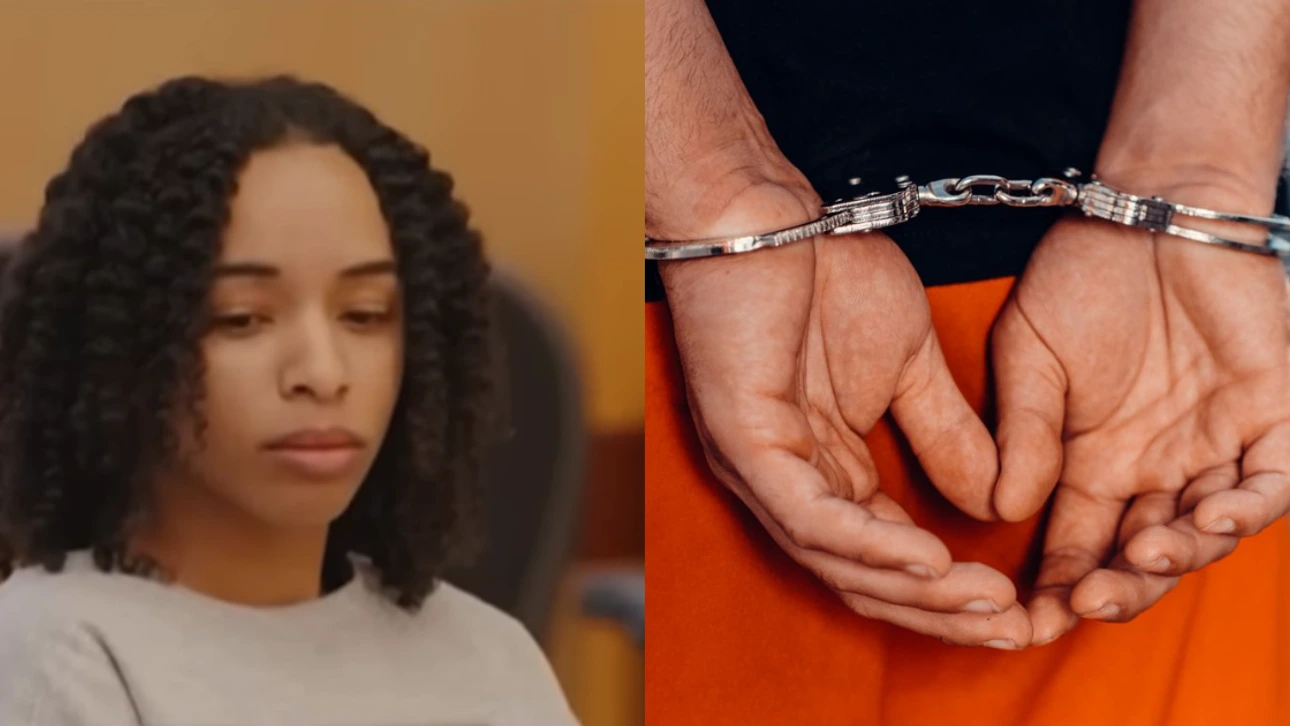
Fatal Fantasy: The OnlyFans Case That Tested Consent
Page Contents
When Kink Turns Fatal: The Michaela Rylaarsdam Case and the Legal Limits of Consent
Some stories begin with romance. Others begin with bad decisions, too much money, and a fetish request that should probably have come with a full safety manual.
The case of Michaela Rylaarsdam became one of the strangest and darkest legal stories to come out of the OnlyFans era. It mixed adult content, extreme kink, choking-related fetish activity, a private fantasy gone horribly wrong, and one very serious courtroom question: where does consent end when danger begins?
What started as a paid choking/asphyxiation-related fetish session between Rylaarsdam, an OnlyFans creator, and Michael Dale, a man from Escondido, California, ended in tragedy. By 2026, the case had moved from a murder charge to a guilty plea for involuntary manslaughter, making it a major talking point in conversations about adult content, creator responsibility, and the legal limits of “he asked for it.”
The Fatal Encounter
In April 2023, Michael Dale reportedly paid Rylaarsdam more than $11,000 for a very specific adult fetish session. At that price, most people would expect luxury treatment, not a court case.
According to court reports, the arrangement involved extreme restraint, choking/asphyxiation-related fetish activity, and content filming. The session was meant to fulfill a fantasy, but things quickly crossed from controlled kink into life-threatening danger.
During the encounter, Dale became physically restricted in a way that later became central to the criminal case. Prosecutors argued that the scene went beyond consensual adult play and entered dangerous territory. Dale became unresponsive, emergency services were called, and he later died in hospital.
The medical examiner ruled the death a homicide, with oxygen deprivation listed as the cause. That ruling became the foundation of the criminal case against Rylaarsdam.
Why the Case Became So Controversial
The biggest legal debate was consent.
Rylaarsdam’s defense argued that the encounter was a negotiated arrangement between two adults. Their position was that Dale knew what he wanted, paid for it, and willingly participated. They also maintained that Rylaarsdam did not intend to harm him and called 911 when she realized the situation had gone badly wrong.
Prosecutors saw it differently. They argued that even if Dale agreed to parts of the session, Rylaarsdam still had a duty to avoid creating a serious risk of death. In simple terms, “the client requested it” is not a magic legal shield.
That is what made the case bigger than one shocking headline. It exposed a hard truth many adult creators, escorts, and private kink participants may overlook: consent matters, but it does not cancel basic responsibility.
Consent Has Legal Limits
In adult spaces, consent is everything. But in criminal law, consent has limits.
Someone may agree to roleplay, restraint, humiliation, pain, or other forms of adult fantasy. But the law generally does not allow a person to consent to serious injury or death. Once an act becomes dangerously unsafe, the person carrying it out can still face criminal consequences.
That was the legal heart of the Rylaarsdam case. The issue was not only whether Dale wanted the experience. The deeper question was whether Rylaarsdam’s actions created a reckless and preventable risk that led to his death.
In other words, kink may be private, but criminal liability is very public.
Why People Are Still Talking About It
The case quickly became a viral talking point because it sits at the messy intersection of OnlyFans culture, private fetishes, paid content, and criminal law. It is the kind of story that makes people pause mid-scroll and ask, “Wait, how did it even get that far?”
For readers who follow viral adult stories, creator scandals, and trending legal cases as they unfold, you can catch more updates through our Telegram channel. It is where we share quick updates, trending conversations, and entertainment buzz from across Africa and beyond.
From Murder Charge to Manslaughter Plea
Rylaarsdam was initially facing a murder charge, which could have led to a much harsher outcome. But in May 2026, the case shifted when she pleaded guilty to involuntary manslaughter.
That plea changed the legal framing. It suggested the death was not planned or intentional, but that criminal negligence still played a role.
In June 2026, Rylaarsdam was sentenced to four years in prison.
Why This Case Matters
The Michaela Rylaarsdam case is a warning about the risky space between online fantasy and real-world consequences.
For adult content creators, the lesson is clear: paid requests do not remove responsibility. For people involved in kink, it shows why safety, limits, communication, and stopping when something feels wrong are not optional extras. They are the difference between a fantasy and a felony.
For the wider public, the case shows how the law approaches consent when a person dies. The court does not simply ask, “Did he agree?” It also asks who had control, what risks were ignored, and whether the death could have been prevented.
For more adult culture stories, viral conversations, and relationship debates, visit Erotic Africa.
The Lesson Behind the Fantasy
The death of Michael Dale and the conviction of Michaela Rylaarsdam sit at the uncomfortable edge of modern adult entertainment.
It is a case that feels almost too strange to be real, but the legal message is serious: fantasy has limits, and when safety fails, the law steps in.
Consent may open the door to adult experimentation, but it does not permit anyone to ignore life-threatening danger.
 77
77





 FR
FR